

TL;DR
This blog breaks down wisdom teeth recovery with a clear day-by-day timeline, helping you understand what to expect, how long healing takes, and how to care for your mouth after surgery.
- Explains recovery timeline and when symptoms peak (days 2–3)
- Answers how many days to rest and when to resume normal activity
- Compares healing time for upper vs. lower wisdom teeth
- Shares aftercare tips like rinsing, diet, and limiting activity
- Covers how to avoid complications like dry sockets
Recovering from a wisdom tooth removal can feel intimidating, but we’ll present a realistic wisdom tooth recovery timeline so you can prepare and know how to manage the day-by-day healing process. Whether you’ve had a simple or complex wisdom tooth extraction, knowing what to expect will be key to your post-operative healing.
Most patients plan to rest for at least 2–3 days after surgery, with limited activity during the first 24 hours. This initial period is critical for allowing a blood clot to form at the extraction site, which protects the area and supports proper healing. Taking it easy and using an ice pack can help with reducing swelling and discomfort early on.
Days 2 and 3 are often the most uncomfortable. Pain and swelling typically peak during this time. As recovery from wisdom teeth removal continues, symptoms gradually subside, and you’ll begin to feel more like yourself.
Maintaining proper oral hygiene, while being gentle around the surgical area, helps prevent infection and supports healing. It’s also important to avoid disturbing the clot, as doing so can lead to complications like dry sockets.
Wisdom Teeth Removal recovery time varies from person to person, but understanding what to expect each day can make the process far less stressful.
How long is recovery from wisdom teeth removal?
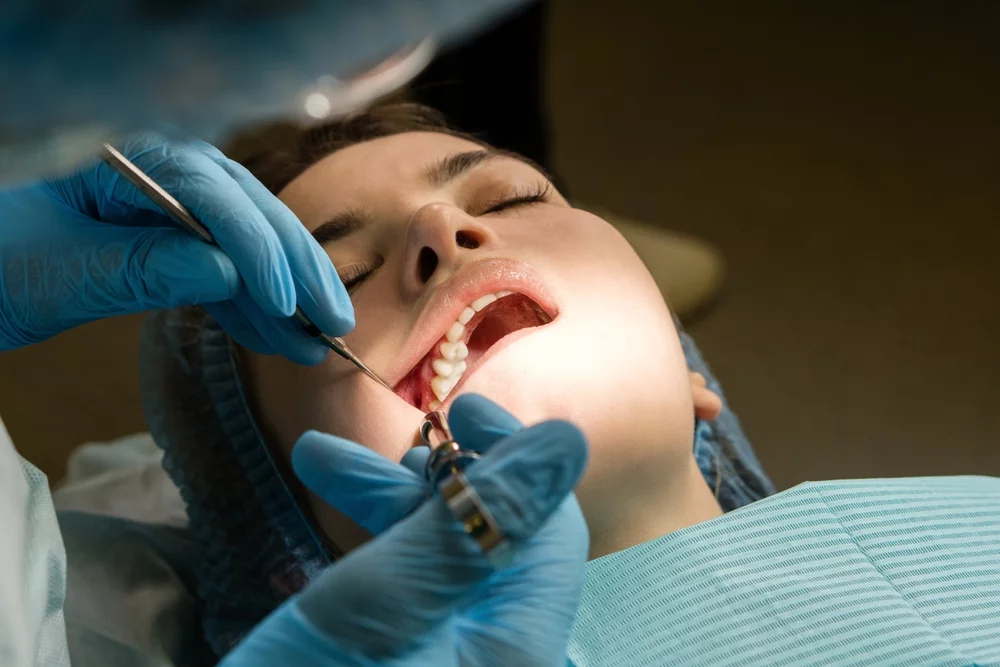
In general, upper wisdom teeth tend to heal more quickly than lower ones. This difference is mainly due to anatomy. Upper teeth are typically easier to remove, and the surrounding bone is less dense, which allows for faster healing. In contrast, lower wisdom teeth are often more complex, especially if they are impacted, which can extend the recovery time for wisdom teeth removal.
Lower extraction areas may also experience more swelling, stiffness, and discomfort because they are in denser bone and closer to important nerves. As a result, the surgical site in the lower jaw may take longer to fully close and stabilize. Patients may also notice that chewing or opening their mouth feels more restricted when lower teeth are involved.
It’s also important to remember that healing varies from person to person. While upper teeth may heal faster on average, individual factors like age, overall health, and how well aftercare instructions are followed can influence recovery speed.
Aftercare routine
Following a consistent aftercare routine is essential for a smooth and comfortable recovery after Wisdom Teeth Removal. In the first few days, your focus should be on protecting the healing area and allowing your body to rest. Limiting physical activity is especially important, as too much movement can increase blood flow and lead to swelling or bleeding at the extraction sites.
After the first 24 hours, your oral surgeon may recommend that you gently rinse your mouth to keep the area clean. Using warm salt water is a common and effective method. While it doesn’t directly speed up the healing process, it helps reduce bacteria, prevent infection, and support a healthier environment for healing, which can lead to a smoother recovery overall.
In addition to rinsing, maintaining a soft food diet and staying hydrated are key parts of aftercare. Avoid foods that are crunchy, spicy, or too hot, as they can irritate the area. It’s also important to avoid smoking, alcohol, and using straws, as these can disrupt healing and increase the risk of complications.
Visit Bixby Knolls Oral Surgery
If you are experiencing mouth pain or want to do an aesthetic procedure, you don’t have to wait any longer. We offer a wide array of oral surgical services, including Wisdom Teeth Extractions, to ensure that whatever oral needs you have will be addressed.
Schedule a consultation with us today.