

TL;DR: If you’re wondering how long do Dental Implants last, the good news is that they’re designed to be one of the longest-lasting tooth replacement options available. While every patient is different, many Dental Implants can function for decades with proper placement, excellent oral hygiene, and routine dental care. In this guide, you’ll learn what affects the lifespan of Dental Implants, whether they last forever, and how to help your implant stay healthy for years to come.
- Many Dental Implants can last 20 years or longer, and some last a lifetime.
- The implant post and the crown often have different lifespans.
- Daily oral hygiene and regular dental visits are key to long-term success.
- Smoking, gum disease, and certain health conditions can shorten implant longevity.
- An experienced oral surgeon can help maximize the lifespan of your Dental Implants.
Dental Implants are one of the most reliable and durable solutions for replacing missing teeth. They restore your smile, improve chewing function, and help preserve your jawbone in ways that traditional bridges and dentures cannot.
A common question patients ask is, “How long do Dental Implants last?” The answer depends on several factors, including your oral health, lifestyle habits, and how well you care for your implant after treatment.
At Bixby Knolls Oral Surgery, we help patients throughout Long Beach, CA, make informed decisions about Dental Implants and understand what they can expect for years to come.
How long do Dental Implants usually last?
In many cases, the titanium implant itself can last 20 years or longer, and many patients enjoy their implants for a lifetime. However, it’s important to understand that Dental Implants consist of multiple components.
The implant post is surgically placed into the jawbone, where it becomes integrated with the bone through a process called osseointegration. Because titanium is highly biocompatible, this portion of the implant is designed to provide long-term stability.
The crown—the visible tooth attached to the implant—typically experiences more daily wear. Depending on factors like biting forces, grinding, and overall maintenance, it may eventually need repair or replacement after 10 to 15 years or longer.
When people ask how long will a Dental Implant last, the answer often depends on which part of the restoration they’re referring to.
Do Dental Implants last forever?
One of the most common questions patients ask is, do Dental Implants last forever?
While no dental restoration can be guaranteed to last forever, Dental Implants are designed to be an exceptionally long-lasting solution. Many patients never need their implant post replaced.
Long-term success depends on factors such as:
- Good oral hygiene
- Healthy gums
- Adequate jawbone support
- Regular professional cleanings and exams
- Avoiding tobacco products
- Managing medical conditions that affect healing
With proper care, the implant itself may continue functioning for decades.
What affects the lifespan of Dental Implants?
Several factors influence the lifespan of Dental Implants.
Oral hygiene
Daily brushing and flossing help remove plaque around the implant. Even though implants cannot develop cavities, the surrounding gum tissue can still become inflamed if plaque accumulates.
Healthy gums play a major role in protecting the bone that supports your implant.
Gum health
Peri-implant disease is an inflammatory condition that affects the tissues surrounding an implant. Left untreated, it can lead to bone loss and implant failure.
Routine dental visits allow your provider to monitor the health of your implant and identify concerns early.
Smoking
Smoking reduces blood flow and slows healing. It also increases the risk of infection and implant complications, making it one of the biggest risk factors for shortened implant longevity.
If you’re considering Dental Implants, quitting smoking may improve your long-term outcome.
Teeth grinding
Clenching or grinding your teeth places extra force on both the implant and the crown. If you grind your teeth while sleeping, your oral surgeon or dentist may recommend a custom night guard to help protect your restoration.
Overall health
Certain medical conditions, medications, and uncontrolled diabetes may affect healing and bone health. Your oral surgeon will review your medical history and determine whether Dental Implants are an appropriate treatment option for your needs.
Can Dental Implants fail?
Although Dental Implants have a high long-term success rate, complications can occur.
Possible reasons for implant failure include:
- Poor oral hygiene
- Smoking or tobacco use
- Infection around the implant
- Inadequate bone support
- Excessive bite forces
- Failure to follow post-operative instructions
- Certain uncontrolled medical conditions
The good news is that many issues can be identified early during routine follow-up appointments, allowing treatment before more significant problems develop.
Choosing an experienced oral surgeon and maintaining regular dental care can help reduce these risks.
How can you help your Dental Implants last longer?
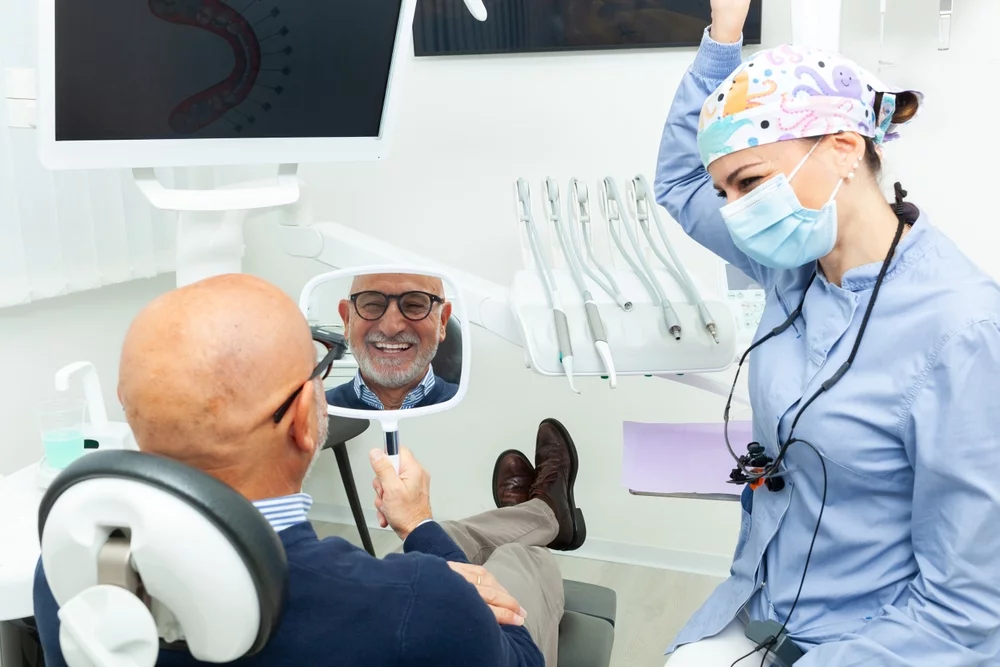
Fortunately, many of the factors that influence implant longevity are within your control.
To help your Dental Implants last as long as possible:
- Brush at least twice daily using a soft-bristled toothbrush.
- Floss carefully around the implant or use implant-friendly cleaning aids.
- Visit your dentist for regular cleanings and exams.
- Avoid smoking and tobacco products whenever possible.
- Wear a night guard if you grind your teeth.
- Follow your oral surgeon’s recommendations for ongoing care.
These habits help protect both your implant and the surrounding bone and gum tissue.
Why choosing an experienced oral surgeon matters
Successful Dental Implants begin with careful planning.
At Bixby Knolls Oral Surgery, our team uses advanced imaging and precise treatment planning to evaluate your jawbone, overall oral health, and long-term goals before recommending treatment. Every patient receives a personalized approach because no two smiles are exactly alike.
Proper implant placement, quality restorative care, and consistent maintenance all contribute to maximizing the lifespan of your Dental Implants.
Invest in a smile designed to last
Dental Implants are one of the most predictable and durable ways to replace missing teeth. While no restoration lasts forever, many implants continue functioning beautifully for decades with proper care.
If you’ve been asking how long do Dental Implants last, the answer depends on your individual health, daily habits, and ongoing maintenance—but with the right care, they can provide long-lasting function and confidence.
Contact Bixby Knolls Oral Surgery today to schedule a consultation and learn whether Dental Implants are the right long-term solution for your smile.
FAQs
What happens to Dental Implants after 20 years?
Many Dental Implants continue functioning well after 20 years, especially when patients maintain good oral hygiene and attend regular dental visits. While the implant post may remain stable, the crown attached to it may eventually require repair or replacement due to normal wear.
How many times can a Dental Implant be replaced?
The implant crown can often be replaced if it becomes worn or damaged. If the implant post fails or must be removed, replacement may be possible depending on the amount of healthy bone available and your overall oral health. Your oral surgeon can determine the best treatment plan.
What does no one tell you about Dental Implants?
Many patients are surprised to learn that Dental Implants require ongoing care just like natural teeth. Although implants cannot develop cavities, the surrounding gums and bone still need to stay healthy to support long-term success.
What are the downfalls of Dental Implants?
Dental Implants require a surgical procedure and healing period, and not every patient is an immediate candidate. Depending on your jawbone and oral health, additional procedures such as Bone Grafting may be recommended before implant placement.
Why do most Dental Implants fail?
Most implant failures are associated with infection around the implant, poor oral hygiene, smoking, inadequate bone support, or excessive biting forces. Following your oral surgeon’s instructions and maintaining regular dental care can significantly improve the long-term success of your Dental Implants.