

The Dental Implant healing stages usually take several months from surgery to final restoration. Each stage helps your gums and jawbone recover, so the implant can become stable enough to support your replacement tooth.
Here is the general timeline:
- Days 1–14: Soft tissue healing and blood clot formation
- Weeks 2–6: Early bone response around the implant site
- Months 2–6: Osseointegration, when bone bonds with the implant
- Final stage: Abutment and crown placement
Total healing time: Often four to eight months, depending on your health, bone quality, and treatment plan
After Dental Implant Surgery, your body begins a step-by-step healing process. At Bixby Knolls Oral Surgery in Long Beach, CA, our team helps patients understand what to expect after surgery, how to care for the surgical site, and when to call with questions.
Whether you are replacing one tooth or planning a more involved treatment, healing takes time. Your oral surgeon will evaluate your implant site, bone support, overall health, and treatment goals to guide your recovery.
What are the Dental Implant healing stages?
The stages of Dental Implant healing describe how your gums and jawbone recover after surgery.
Most patients move through four general stages:
- Soft tissue healing
- Early bone response
- Osseointegration
- Final restoration
Your gums may feel much better after the first couple of weeks, but deeper bone healing continues for several months.
First stage: soft tissue healing, days 1 through 14
The first stage of Dental Implant healing begins right after surgery. A blood clot forms over the surgical site to protect the area while your body starts repairing the gum tissue.
During this stage, many patients notice mild bleeding or oozing during the first 24 to 48 hours, swelling that often peaks around days two or three, manageable soreness, jaw stiffness, and gum tissue that looks red or irritated near the implant site.
By the end of the second week, the gums often look less red and begin closing around the area. Stitches may dissolve on their own or be removed at a follow-up visit.
To support early Dental Implant recovery, eat soft foods, avoid straws, do not smoke or use tobacco, keep the area clean as directed, take medications as recommended, and avoid chewing directly on the implant site. These steps help protect the surgical site while the first stage of healing gets underway.
Second stage: early bone response, weeks 2 through 6
Once the gums begin to heal, the jawbone starts responding to the implant beneath the surface. New bone cells gradually form around the titanium implant post.
You may not feel this happening, but it is an important part of the Dental Implant healing process. Surface discomfort is usually much improved by this stage, and swelling should be minimal or gone. Your oral surgeon may also monitor healing with follow-up visits or imaging.
Even though symptoms are often mild during this phase, the healing of Dental Implants still depends on healthy habits. Continue to be careful with the implant site, avoid heavy chewing pressure, and follow your oral surgeon’s instructions until you are cleared to resume normal routines.
Third stage: osseointegration, months 2 through 6
Osseointegration is one of the most important Dental Implant healing stages. This is when the jawbone gradually bonds with the implant surface, helping create a stable foundation for the final restoration.
This stage often takes the longest. In many cases, osseointegration takes three to six months, but the timeline can vary based on bone density, implant location, whether Bone Grafting was needed, your overall health, smoking or tobacco use, the number of implants placed, and how well the implant site is protected during healing.
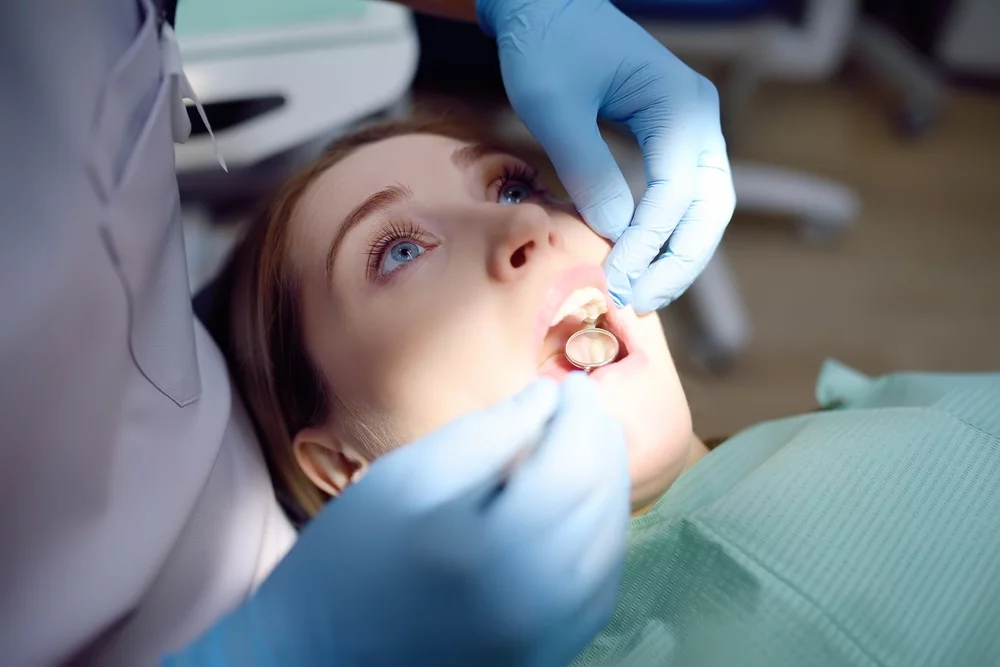
Upper jaw implants may take longer in some cases because the bone can be less dense than bone in the lower jaw. For patients going through full mouth Dental Implant healing stages, the timeline may also vary because multiple implant sites are healing at once.
During this stage, continue brushing and flossing as directed, keep follow-up appointments, eat a balanced diet, avoid tobacco, and report unusual pain, swelling, or changes. Your oral surgeon will determine when the implant is ready for the next step.
Fourth stage: abutment and crown placement
After the implant has integrated with the bone, the final restoration stage can begin. This may include attaching an abutment, taking impressions or digital scans, designing the final crown, and placing the crown once it is ready.
In some cases, the abutment is placed during the original Dental Implant Surgery. In others, a small follow-up procedure may be needed to uncover the implant and attach it.
The final crown is made to blend with nearby teeth in color, shape, and size. Once the crown is placed, your Dental Implant is designed to function like a natural tooth.
Long-term care is still important. Brush twice daily, floss as recommended, keep regular dental visits, avoid using your teeth as tools, and tell your dentist if you grind or clench your teeth.
How long does the Dental Implant healing process take?
The Dental Implant healing process often takes four to eight months from surgery to final restoration. Some patients may heal sooner, while others need more time.
Healing time can vary based on bone quality, the number of implants, the need for Bone Grafting, medical history, oral hygiene, smoking or tobacco use, and the type of final restoration. Your oral surgeon can give you a more personalized timeline after evaluating your implant site and treatment plan.
What can affect Dental Implant recovery?
Dental Implant recovery depends on both your body’s healing response and how well the surgical site is cared for after surgery.
Common factors include bone volume and density, gum health, tobacco or nicotine use, diabetes or other medical conditions, medications that may affect healing, teeth grinding or clenching, oral hygiene habits, and follow-up care.
This is why post-operative instructions matter. Small daily choices can help support smoother healing.
When should you call your oral surgeon?
Some soreness, swelling, and tenderness are expected after Dental Implant Surgery. Still, certain symptoms should be checked.
Call your oral surgeon if you notice:
- Pain that worsens after the first few days
- Swelling that gets worse instead of better
- Fever
- Persistent bleeding
- Pus or drainage
- A bad taste that does not improve
- Exposed bone
- Movement of the implant or temporary restoration
It is always better to ask than to wait. Your oral surgery team can determine whether what you are experiencing is part of normal Dental Implant recovery or needs additional care.
Why local oral surgery care matters in Long Beach
Dental Implant treatment involves planning, surgery, healing, and follow-up care. Choosing a local oral surgery team can make the process easier, especially when you need post-operative visits or have questions during recovery.
Bixby Knolls Oral Surgery provides Dental Implant care for patients in Long Beach, Bixby Knolls, and nearby communities. Our team uses careful evaluation and treatment planning to help patients feel informed before, during, and after Dental Implant Surgery.
FAQs about Dental Implants
What should my Dental Implant look like after 2 weeks?
At two weeks, the gum tissue around the implant site often looks less red and more closed than it did right after surgery. Swelling should be mostly improved, and there should not be active bleeding, pus, or exposed bone. Mild tenderness may still occur, but sharp, worsening, or throbbing pain should be discussed with your oral surgeon.
What are the do’s and don’ts after a Tooth Implant?
Do follow your post-operative instructions, eat soft foods at first, keep the surgical site clean as directed, rest, and attend your follow-up visits. Do not smoke, use straws, chew hard or crunchy foods near the implant site, skip recommended medications, or return to strenuous activity too soon.
When do most Dental Implants fail?
When Dental Implant failure happens, it is more likely to occur during the early healing and osseointegration period. Possible causes include infection, poor bone support, tobacco use, uncontrolled health conditions, or too much force on the implant before it is fully integrated. Dental Implants have a high success rate in appropriately selected patients, but outcomes vary.
What helps Dental Implants heal faster?
You cannot rush osseointegration, but you can support healthy healing. Follow your oral surgeon’s instructions, avoid tobacco, eat a nutritious diet, stay hydrated, rest, and keep the surgical site clean. Good oral hygiene and follow-up visits also help your oral surgeon monitor healing.
Does saltwater help heal Dental Implants?
Gentle warm saltwater rinses can help keep the surgical area clean without being too harsh on healing tissue. Many oral surgeons recommend starting saltwater rinses about 24 hours after surgery, but you should follow your specific instructions. Avoid aggressive swishing early in recovery.
Final thoughts
Every stage of Dental Implant recovery has a purpose. Your gums may heal within a couple of weeks, but deeper bone healing often takes several months.
To support a smooth recovery, follow your post-op instructions, keep the implant site clean, avoid tobacco, attend follow-up visits, and contact your oral surgeon with concerns.
If you are considering Dental Implants in Long Beach, CA, schedule a consultation with Bixby Knolls Oral Surgery. Our team can evaluate your needs, explain the Dental Implant healing process, and help you understand whether Dental Implants are right for your treatment goals.