

TL;DR
This blog explains what’s normal vs. concerning when it comes to bleeding after Tooth Extraction, helping you understand how long bleeding should last and when to seek help. It also provides practical tips to manage bleeding and protect your recovery.
- Explains how long bleeding typically lasts and when it should stop
- Shares how to control bleeding using gauze, pressure, and home remedies
- Identifies warning signs like prolonged or heavy bleeding
- Explains how to tell if a blood clot has been dislodged
- Covers when to contact your oral surgeon for further care
Experiencing some bleeding after Tooth Extraction is completely normal, but it can still feel concerning if you’re not sure what to expect.
Whether you’ve recently had a Tooth Removal or are preparing for one, understanding the difference between normal and excessive bleeding is an important part of proper dental care. Knowing how long bleeding lasts after a Tooth Extraction and what steps to take can help you feel more confident during recovery.
How to stop bleeding after Tooth Extraction
In most cases, bleeding slows significantly within a few hours and should be mostly controlled within the first 48 hours. Immediately after the procedure, your oral surgeon will place gauze pads over the area and ask you to apply pressure by biting down firmly. Typically, you’ll need to keep gauze in place for about 20 minutes at a time, replacing it as needed until you’ve stopped the bleeding or reduced it to light oozing.
Tooth Extraction bleeding after 2 hours
Light spotting on the gauze for several hours is normal, but heavy bleeding that doesn’t improve may require extra care. Keeping your head elevated even while sleeping, avoiding strenuous activity, and following aftercare instructions can support the healing process. Avoid lying flat as this can increase blood flow to the area.
Tooth Extraction bleeding after 4 days, excessive bleeding, or worsening pain despite using pain medications are all signs to contact your oral surgeon for guidance. Regardless of who undergoes a Tooth Extraction, you should not be experiencing too much distress after a Tooth Removal.
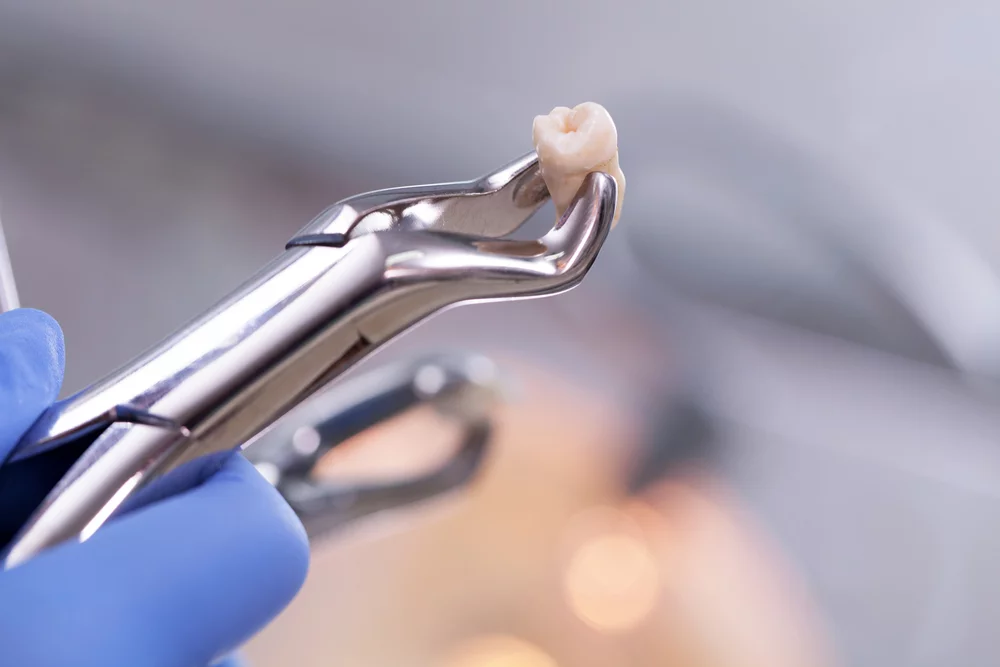
What happens if bleeding doesn’t stop after Tooth Extraction?
While some bleeding is expected after a Tooth Extraction, persistent or heavy bleeding may signal a problem that needs attention. If bleeding continues for more than a few hours without slowing, or if it remains heavy after applying firm pressure for 30 minutes, it may not be part of the normal healing process. In these cases, it’s important to take additional steps and contact your oral surgeon if the issue doesn’t improve.
One concern patients often have is whether they’ve dislodged the blood clot. Signs of this can include renewed bleeding, increased pain, or a visible empty-looking tooth socket. You might also notice a bad taste in your mouth or discomfort that worsens instead of improving. Actions like vigorously rinsing your mouth, using straws, smoking, or eating hard foods too soon can disturb the clot and delay your healing.
To help control bleeding at home, gently biting down on clean gauze or even damp tea bags can be effective, as the tannins in tea help promote clotting. Applying an ice pack to the outside of your face can also reduce bleeding and swelling. Be sure to stick to a soft food diet and avoid anything that could irritate the area.
After the first day, gentle rinsing with warm salt water using about a teaspoon of salt in a glass of water can help keep the area clean without disturbing healing. However, it’s important to rinse carefully and not too forcefully.
If bleeding remains persistent, worsens, or is accompanied by severe pain, it’s best to seek professional care. Early attention can prevent complications and ensure your recovery stays on track.
How common is excessive bleeding after Tooth Extraction?
Excessive bleeding after a Tooth Extraction is relatively uncommon, but it can happen in certain situations. Factors that can increase the likelihood of excessive bleeding include underlying health conditions such as clotting disorders, high blood pressure, or the use of blood-thinning medications.
It’s important to note that what may seem like excessive bleeding is often just normal oozing mixed with saliva, which can appear more significant than it is. True excessive bleeding typically involves continuous, bright red blood that doesn’t slow with pressure.
Visit Bixby Knolls Oral Surgery
If you are experiencing mouth pain, or want to do an aesthetic procedure, you don’t have to wait any longer. We offer a wide array of oral surgical services including Teeth Extractions to ensure that whatever oral needs you have will be addressed.
Call our office to schedule a consultation with us today.